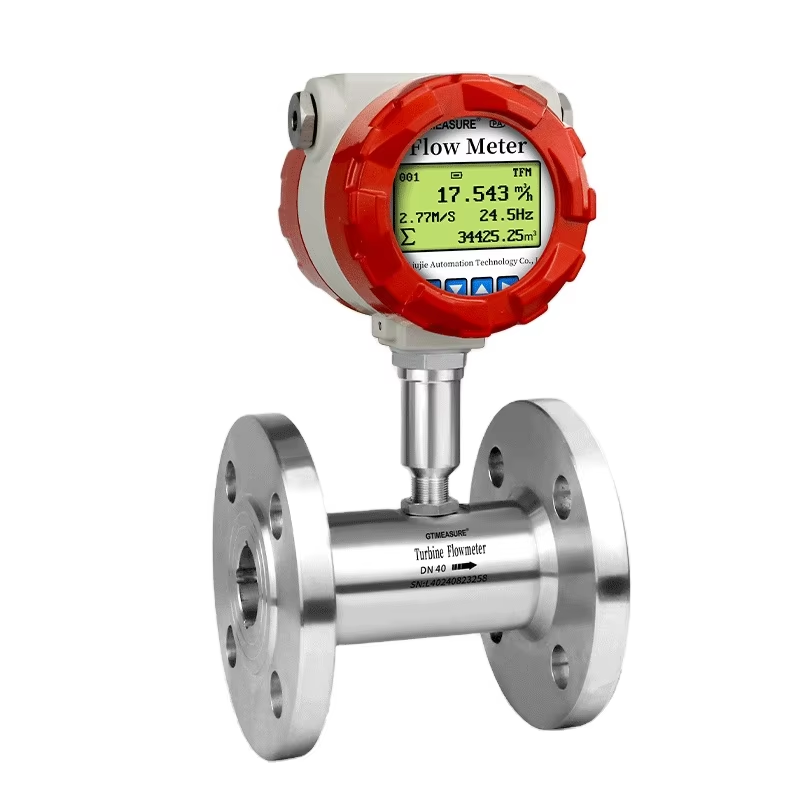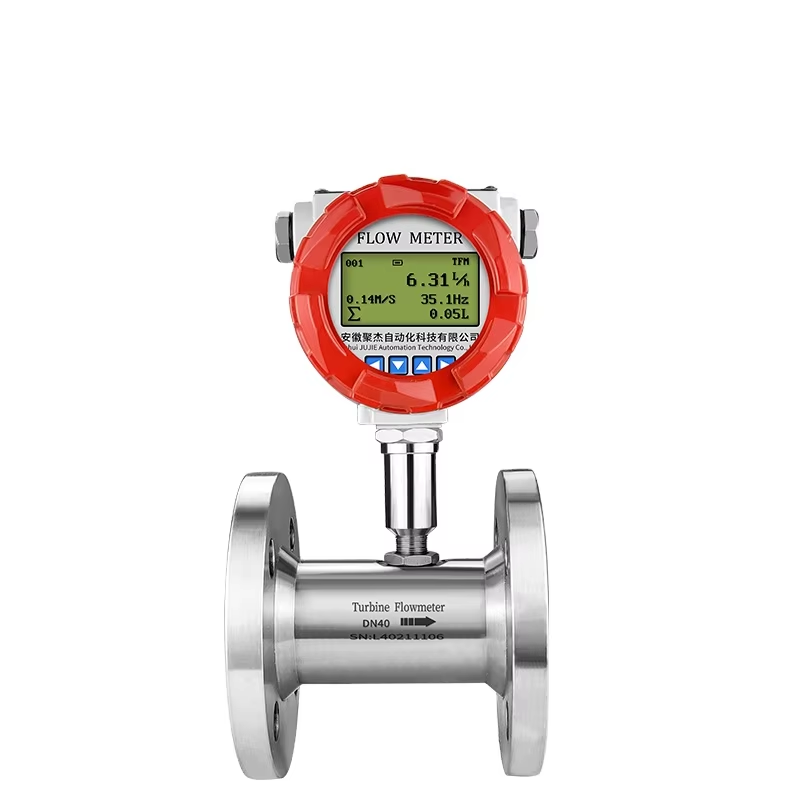
The "flow manager" for high-quality brewing in beer fermentation tanks
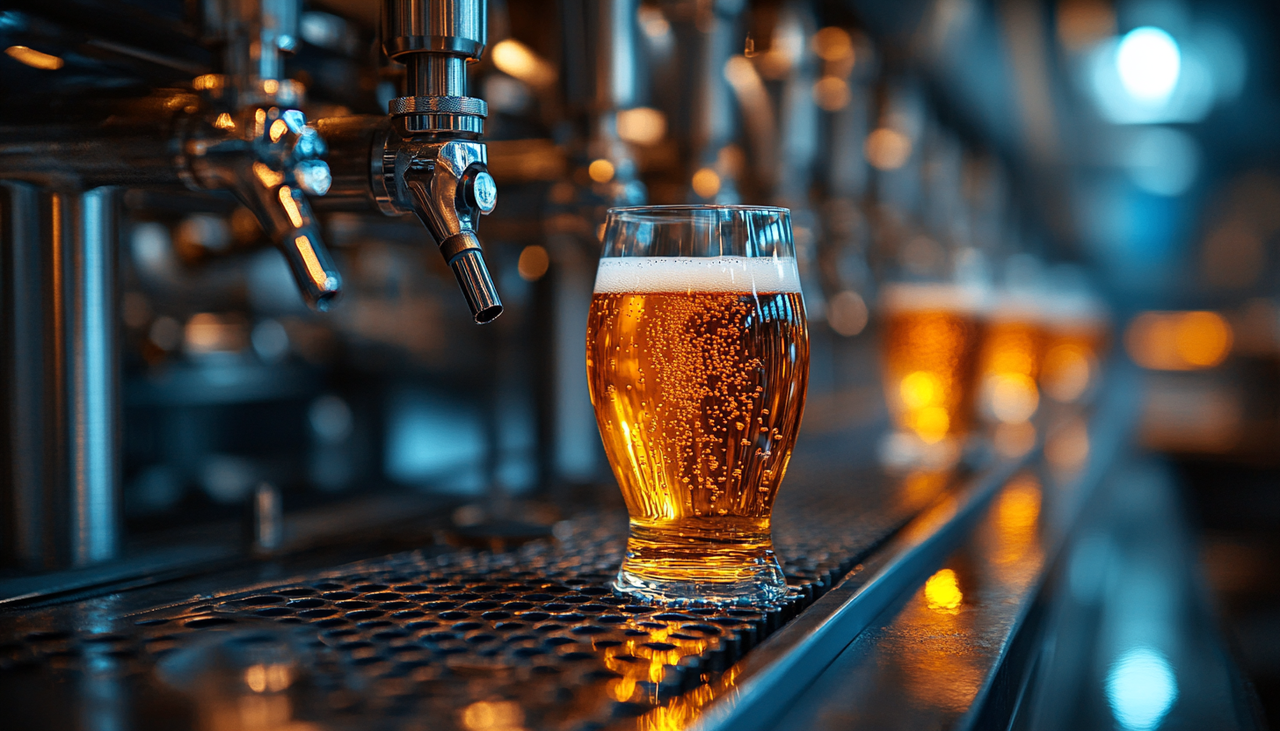
In the core process of beer brewing - the fermentation process, the reaction between wort and yeast is not a simple biological transformation, but a "precision experiment" with precise control over parameters such as temperature, pressure and flow rate. When the cooled wort is injected into the fermentation tank and the yeast initiates the metabolic process to convert maltose into alcohol and carbon dioxide, the flowmeter, as a key monitoring and control device, acts like a "flow manager" throughout the entire process, providing data support for the brewing of high-quality beer. Its core value lies in precisely capturing fluid dynamics, making the invisible fermentation process visible and controllable, and fundamentally ensuring the stability of fermentation quality.
Key flow monitoring scenarios throughout the fermentation process
The operation of beer fermentation tanks involves the flow of various fluid media. The application of flowmeters needs to be tailored to the process requirements of different scenarios to achieve differentiated and precise monitoring. Specifically, it can be divided into three core scenarios:
1. Precise measurement of yeast addition
The amount of yeast added directly determines the fermentation efficiency and the flavor of the finished product - insufficient addition will lead to incomplete fermentation, and excessive residual sugar will affect the taste. Excessive addition will increase metabolic by-products and produce off-flavors. In the yeast pipeline, the flowmeter needs to be used in conjunction with pressure monitoring equipment to achieve "quantitative delivery" : by measuring the flow rate of the yeast suspension in real time and combining it with the preset wort volume and yeast concentration parameters, the amount of yeast injection can be precisely controlled. For instance, the use of sanitary Coriolis flowmeters can achieve a flow accuracy of ±0.1%. Its self-empting design can prevent pipeline contamination caused by yeast residue, fully meeting the requirements of food-grade production. Meanwhile, the flowmeter is linked with the control system. When the pressure in the yeast tube fluctuates, it can automatically adjust the flow rate to stabilize the injection rate and ensure the uniform mixing of yeast and wort.
2. Dynamic monitoring of carbon dioxide recovery
Carbon dioxide is the core product of yeast metabolism. Its production rate directly reflects the activity of yeast and is the "core indicator" for judging the fermentation process. On the CO₂ recovery pipeline of the fermentation tank, the core function of the flowmeter is to draw the "fermentation curve" by monitoring the changes in gas flow: in the early stage of fermentation, the yeast activity is low, and the CO₂ flow rises slowly; During the main fermentation stage, yeast enters the logarithmic growth phase, and the CO₂ flow rate reaches its peak and remains stable. In the later stage of fermentation, the activity of yeast declines, and the CO₂ flow rate gradually decreases. Through the precise measurement of CO₂ by a mass flowmeter, winemakers can determine whether the main fermentation has ended, whether the fermentation temperature needs to be adjusted to extend the activity of the yeast, and at the same time avoid the safety risk of excessive pressure inside the tank due to the accumulation of CO₂. In addition, the precisely measured CO₂ can be directly recycled for back pressure protection in the subsequent filling process, enhancing the utilization rate of resources.
3. Flow control for the transfer of fermentation broth
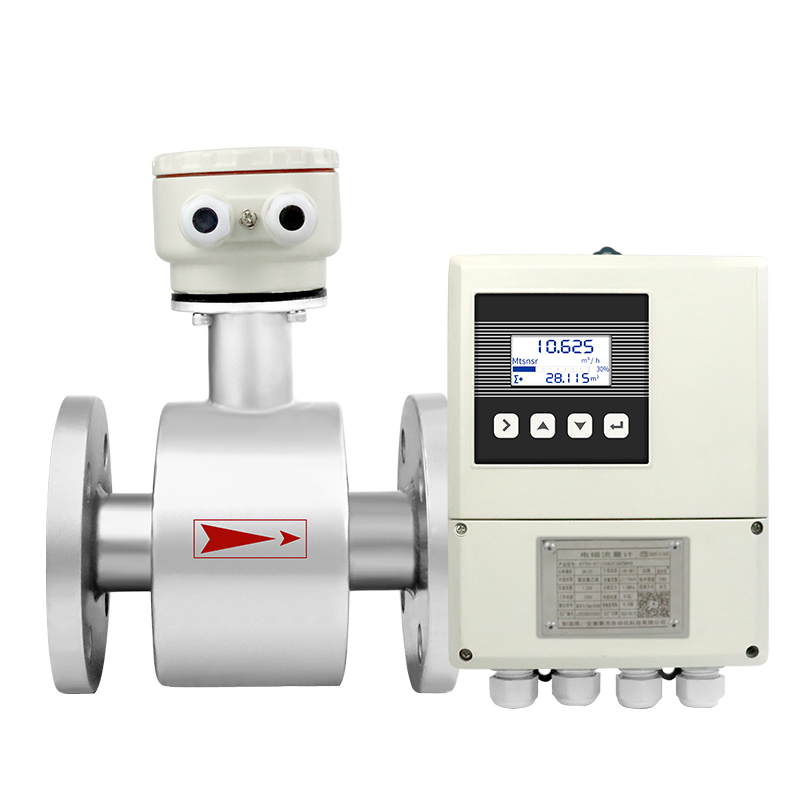
After the fermentation is completed, the fermentation liquid needs to be transferred from the fermentation tank to the filtration or wine storage stage. At this time, the flowmeter needs to cooperate with the liquid level monitoring to achieve "smooth transportation". Due to the presence of unsettled yeast cells in the fermentation broth, ordinary flowmeters are prone to clogging or measurement deviations. Therefore, anti-pollution electromagnetic flowmeters or Coriolis flowmeters should be selected. The electromagnetic flowmeter adopts a fully welded sealed structure, which can prevent measurement errors caused by the adhesion of bacteria. Its volume flow accuracy of 0.15% can ensure the consistency of the transfer volume of different batches of fermentation liquid, providing a basis for the flow matching in the subsequent filtration process. Meanwhile, the flowmeter is linked with the bottom valve of the tank, which can automatically adjust the conveying flow rate according to the liquid level changes, preventing the disturbance of yeast cells due to excessive flow rate and affecting the subsequent clarification effect.
4. Key Points for Selection and Operation and Maintenance of flow meters used in Beer Fermentation
The medium characteristics (including bacterial cells, corrosiveness, and high temperature) and process requirements (high precision and sanitary grade) in the fermentation stage determine that the selection of flowmeters must follow the principle of "compatibility first" In pipelines that come into contact with fermentation broth or yeast, sanitary flowmeters made of 316L stainless steel and featuring self-empting design, such as the H series Coriolis flowmeter, should be selected. Their cleanliness meets the GMP standards of the food industry. In CO₂ gas pipelines, mass flowmeters are more suitable for dynamic monitoring of gas flow, avoiding the influence of temperature and pressure changes on measurement accuracy.
In terms of operation and maintenance, it is necessary to regularly calibrate and clean the zero point of the flowmeter: liquid flowmeters can achieve real-time zero point correction through the self-calibration function of the control system, while gas flowmeters need to be regularly checked for the accumulation of CO₂ condensate water on the sensor. After each fermentation batch is completed, the flowmeter needs to be cleaned in situ through the CIP (In-place Cleaning) system to avoid measurement deviations caused by the growth of residual bacteria.
5. Flow meters empower the digital upgrade of brewing processes
From the precise measurement of yeast addition to the dynamic monitoring of CO₂ recovery, flow meters have built a "flow data chain" in the operation of beer fermentation tanks, transforming the traditional brewing process that relies on experience into a "data-driven" precise control. With the development of intelligent technology, flowmeters with data recording and remote diagnosis functions can upload flow data to the brewing management system in real time, achieving full traceability and process optimization of the fermentation process. In the beer industry, which pursues flavor consistency, flow meters have long tranmere their role as "measuring tools" and have become core equipment for ensuring stable product quality and enhancing production efficiency.