Differential pressure and temperature transmitter: Safe operation of gas pipelines
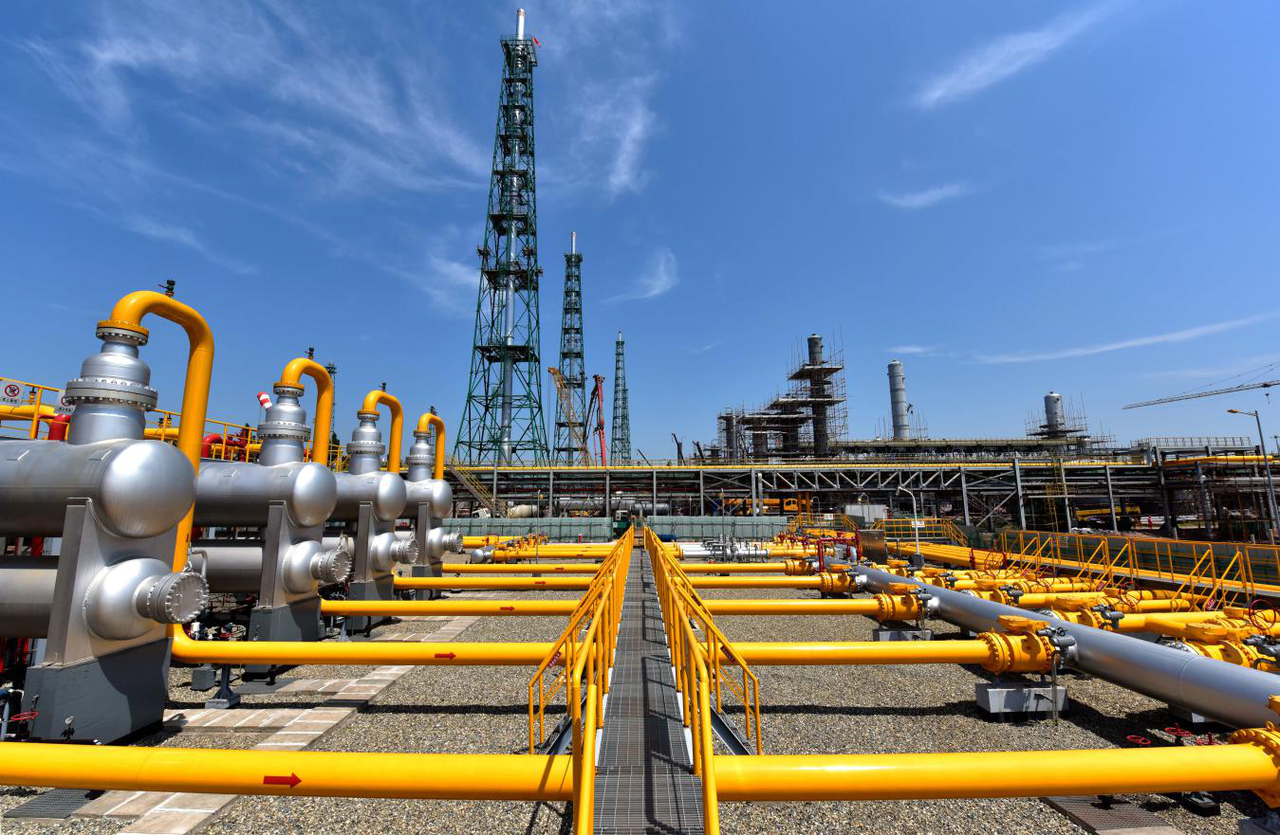
From underground extraction to the ignition and use by end users, natural gas needs to go through multiple links such as "extraction and gathering - long-distance pipelines - gate station processing - pipeline network distribution", and each link cannot do without precise monitoring of core parameters such as pressure and temperature. Among them, the differential pressure transmitter and the temperature transmitter, as key sensing devices, act like the "nerve endings" of the gas system, capturing the changes in the state of the medium in the pipeline in real time and providing reliable data support for the safe and efficient operation of the system.
1. Differential Pressure transmitter: The "precise ruler" for the state of pipeline medium
The differential pressure transmitter indirectly reflects key information such as the flow rate, clogging degree and filtration effect of the medium in the pipeline by measuring the difference between two pressure points, and plays an irreplaceable role in the entire gas transmission process. Its application scenarios and technical key points are closely in line with the actual needs of the gas treatment process.
2. Core application scenarios: Running through the key links of gas treatment
In the filtration unit, the differential pressure transmitter is the "core judge" for assessing the performance of the filter. After natural gas is extracted, it contains pollutants such as dust and impurities, which must be treated by a filter separator before entering the subsequent transportation process. Each filter separator is equipped with a differential pressure transmitter to monitor the pressure difference between the inlet and outlet of the filter in real time. When the impurities adhering to the filter screen increase, the flow resistance increases and the pressure difference rises accordingly. When the difference exceeds the preset threshold, the system will automatically issue a warning to prompt the operation and maintenance personnel to clean or replace the filter screen in time, avoiding abnormal increase in pipeline pressure due to blockage and causing safety hazards.
In the flow measurement process, the differential pressure transmitter is the "key component" for achieving precise measurement. The flow measurement of natural gas in pipelines often employs throttling devices (such as orifine plates and Venturi tubes). When the medium flows through the throttling element, pressure loss occurs, creating a pressure difference before and after, and this pressure difference has a fixed function relationship with the flow rate. After the differential pressure transmitter accurately captures this differential pressure signal, it converts it into a 4-20mA standard electrical signal and transmits it to the control system. Then, the actual flow value is obtained through the flow calculation formula. To ensure measurement accuracy, the range of the transmitter should cover the fluctuation range of the medium flow. The optimal operating point should be controlled between 30% and 80% of the range, and at the same time, it should match the working pressure of the pipeline and the temperature characteristics of the medium.
In the pressure regulating unit, the differential pressure transmitter serves as an "auxiliary barrier" for monitoring pressure stability. As the "pressure regulation center" for gas transmission, the pressure regulating station needs to reduce the high-pressure natural gas sent by long-distance pipelines to a pressure level suitable for urban pipeline network transportation. In some parallel pressure regulating circuits, the pressure difference values of different pressure regulating branches are monitored through differential pressure transmitters to ensure balanced load distribution among each branch, prevent the failure of the pressure regulating valve due to single overloading, and guarantee the stability of the outlet pressure.
3. Key technical requirements: Adapt to the special needs of gas working conditions
The high-pressure and flammable and explosive characteristics of gas pipelines impose strict requirements on the selection and installation of differential pressure transmitters. In terms of selection, it is first necessary to clearly define the measurement range and static pressure parameters to ensure that the transmitter can withstand the maximum working pressure of the pipeline and that the measurement range covers the actual pressure difference fluctuation range. Secondly, the appropriate contact material should be selected based on the medium characteristics of natural gas. If it contains trace corrosive components, diaphragms made of corrosion-resistant materials such as 316L stainless steel or Hastelloy should be chosen. Meanwhile, as the gas transmission environment often has explosion risks, the transmitter must have the corresponding explosion-proof certification, such as ATEX or IECEx certification, and adopt flameproof or intrinsically safe protective design.
The installation process directly affects the measurement accuracy. For gas media, the differential pressure transmitter should be installed above the pressure tapping port to ensure that there is no accumulation of condensate in the pressure guiding pipe. The pressure guiding pipes should be laid symmetrically, with the lengths of the high and low pressure side pipelines being as equal as possible to minimize errors. In addition, the installation location should avoid areas prone to vortices such as pipe elbows and valves, and should be installed in a straight pipe section. It is best to be 5 to 10 times the pipe diameter downstream of the pipe fittings to prevent the interference of turbulence on the measurement results. Before putting it into use, the valve group should be operated in accordance with the specifications: First, open the balance valve to balance the high and low pressure sides, then successively open the isolation valves on the high-pressure side and the low pressure side, and finally close the balance valve to ensure stable measurement.
4. Temperature Transmitter: The "Invisible Guardian" for Gas Transmission Safety
Temperature is an important parameter for the operation of gas pipelines, directly affecting the density, pressure and combustion efficiency of natural gas. The temperature transmitter collects the temperature of the medium inside the pipeline or the pipe wall in real time, providing key data for pressure compensation, leakage detection and process optimization. It is an "invisible guardian" to ensure system safety.
5. Core application scenarios: Temperature monitoring covering the entire conveying process
In the measurement and pressure regulation process, the temperature transmitter is a "necessary condition" for achieving precise control. The volumetric flow rate of natural gas is significantly affected by temperature. When the temperature rises, the density of the medium decreases, and the volumetric flow rate will change under the same pressure. Therefore, on the inlet and outlet pipes of the metering unit, temperature transmitters are used in conjunction with pressure transmitters and differential pressure transmitters. The collected temperature data is used for temperature compensation of the flow rate to ensure the accuracy of trade settlement. During the pressure regulation process, when the natural gas is reduced in pressure, the temperature will drop. The temperature transmitter monitors the temperature of the medium after pressure regulation in real time. If the temperature is too low, it may cause the pipeline to frost or even crack. The system can start the heating device based on the temperature data to prevent extreme situations.
In pipeline leakage detection, temperature transmitters are the "early sentinels" for identifying potential hazards. For low-temperature gas transmission pipelines such as LNG, surface thermometers are often installed on the pipe walls of the feed and external transmission pipelines to determine whether there is a leakage by monitoring the temperature changes on the pipe walls. When there is a slight leakage in the pipeline, the low-temperature medium will cause a sudden drop in the pipe wall temperature. After the transmitter detects this change, it immediately issues a warning, buying emergency response time for the operation and maintenance personnel and avoiding major accidents. In the monitoring of storage tanks, multi-point temperature transmitters are fixed at different heights of the tank wall through heat collection blocks. Expansion bends are set every 3 meters and fixed with brackets to monitor the temperature stratification of the medium inside the tank in real time, providing data support for the safe operation of the storage tank.
6. Key technical requirements: The core guarantee for precise measurement
The selection of the installation location directly determines the accuracy of temperature measurement. In gas pipelines, the sensor of the temperature transmitter should be installed on the central axis of the pipeline to reduce the influence of heat loss between the pipeline wall and the medium on the measurement results. Due to the poor thermal conductivity of gas, the interference of pipe wall temperature on the measurement results is more obvious. Therefore, it is necessary to avoid parts such as elbows and tees that are prone to temperature stratification. Installation should be selected in a straight pipe section where the medium flow rate is stable. The ideal position is 5 to 10 times the pipe diameter downstream of the pipe fitting. For containers such as storage tanks, the transmitter should be installed in the middle of the liquid in a natural convection environment, and in a stirring condition, it should be close to the stirring blade area to ensure that the measured value can represent the average temperature of the medium.
In terms of equipment configuration, low-temperature gas pipelines often adopt dual thermal resistance thermometers. The two thermal resistors are respectively fixed at the top and bottom of the pipeline, and the split-type temperature transmitter is installed beside the pipeline to achieve comprehensive monitoring of the pipeline temperature. Signal transmission adopts 4-20mA standard signals or is remotely transmitted to the control system via the HART protocol to ensure the stability of data transmission. In addition, the transmitter needs to have good environmental adaptability. In cold regions, insulation or heating measures should be taken to prevent the sensor from freezing and being damaged. In damp and dusty environments, the protection grade should not be lower than IP65 to ensure the long-term reliable operation of the equipment.
7. Synergy: Building a "Three-dimensional Defense Line" for Gas Pipeline Monitoring
In gas transmission systems, differential pressure and temperature transmitters do not operate independently but form a collaborative monitoring system. For instance, in the measurement stage, the differential pressure transmitter provides the basic differential pressure signal for flow calculation, while the temperature transmitter offers temperature compensation data. Only by combining the two can precise measurement of natural gas flow be achieved. In the filtration and pressure regulation process, the pressure changes monitored by the differential pressure transmitter and the temperature fluctuations captured by the temperature transmitter are mutually verified, which can more accurately determine the cause of the fault. If the pressure difference of the filter is constantly rising and accompanied by a sudden drop in temperature, it may be that the filter screen is clogged, causing the medium flow rate to be too fast and resulting in throttling and cooling. This provides precise fault diagnosis basis for operation and maintenance personnel.
From the mining site to the residents' kitchen, the differential pressure and temperature transmitter, with its precise sensing capability, runs through the entire gas transmission process. Whether it is the clogging warning of the filter unit, the precise calculation in the metering process, or the early monitoring of leakage scenarios, these devices are all quietly safeguarding the safe operation of the gas system. With the development of intelligent sensing technology, new types of transmitters with self-diagnosis and wireless communication functions are constantly emerging, which will further enhance the intelligent level of gas pipeline monitoring and build a "perception defense line" for the safe transmission of energy.