Flowmeter: The "Flow Sentinel" for Industrial Wastewater Monitoring and Treatment
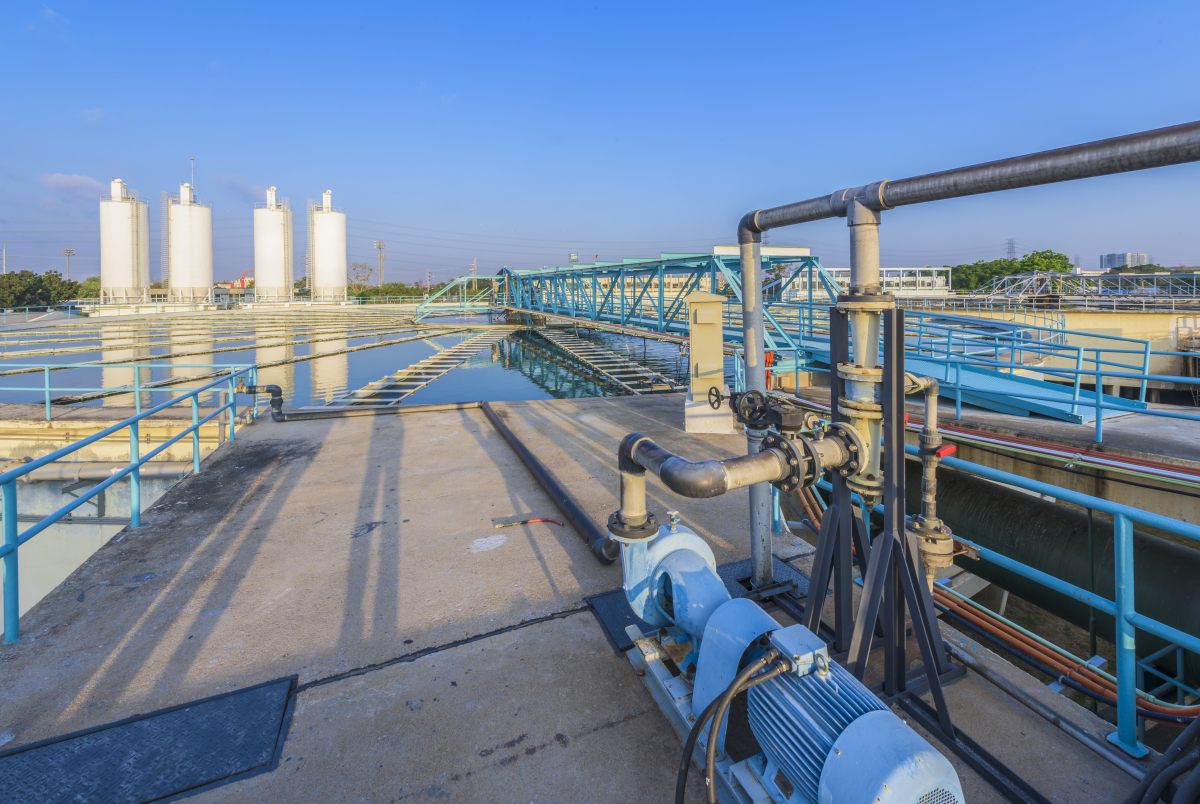
In the industrial wastewater treatment and discharge monitoring system, flowmeters are indispensable core instruments. It acts like a "flow sentinel", capturing in real time the flow data of wastewater at the treatment stage and discharge nodes. This not only provides precise basis for enterprises to optimize their treatment processes but also ensures that the total discharge volume complies with environmental protection regulations. From the collection of workshop drainage to the terminal discharge meeting standards, the stable operation of flowmeters runs through the entire process of industrial wastewater control.
Analysis of the Characteristics and Principles of flowmeters in Industrial Wastewater Treatment Plants
Industrial wastewater is complex in composition, often containing acidic and alkaline substances, suspended particles and corrosive media, and the flow fluctuation range is large, which poses strict requirements for the adaptability of flowmeters. In the closed pipeline scenario of enterprise wastewater treatment, electromagnetic flowmeters have become the most widely used core instruments due to their excellent adaptability.
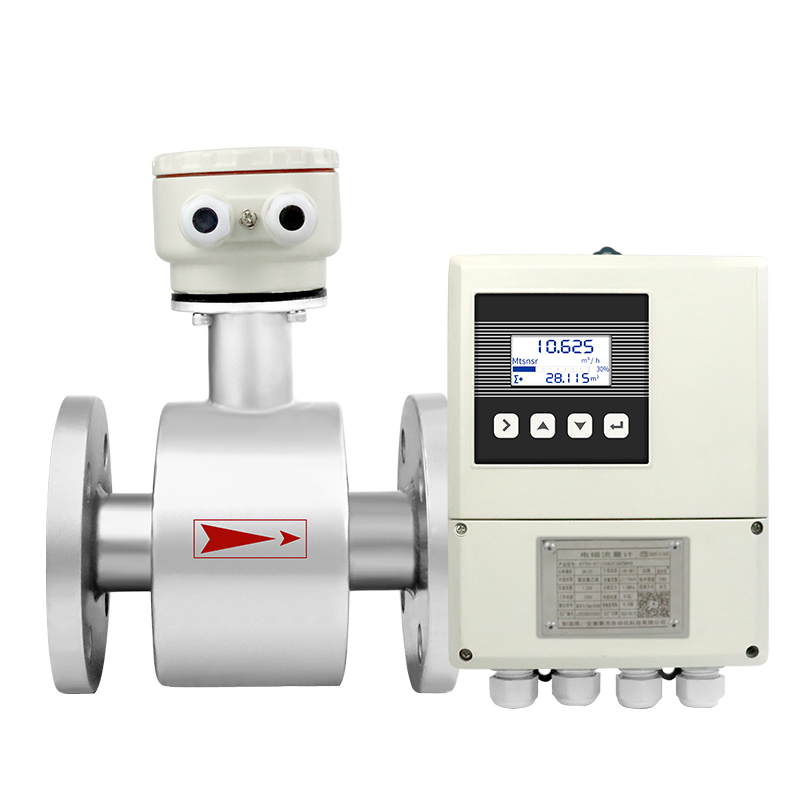
Electromagnetic flowmeter manufacturer
The electromagnetic flowmeter is the preferred instrument for industrial wastewater treatment equipment. Its working principle is based on Faraday's law of electromagnetic induction - when wastewater containing electrolytes passes through a magnetic field, it will cut the magnetic field lines to generate an induced electromotive force. The instrument calculates the flow value by detecting the magnitude of the electromotive force. This principle determines that it has three core advantages and is perfectly suitable for wastewater scenarios: First, there are no mechanical rotating parts, avoiding the clogging problem caused by suspended particles in the wastewater; Second, it features a corrosion-resistant design. The lining is made of polytetrafluoroethylene or perfluoroalkoxy resin, and the electrodes can be selected from special materials such as Hastelloy, which can withstand the erosion of strong acid and strong alkali wastewater. Thirdly, the wide range ratio reaches 100:1, which can accurately capture the instantaneous peak of the water inlet and the fluctuating conditions such as low flow at night. After the electromagnetic flowmeter was used in the wastewater discharge pipe of the reaction kettle of a certain chemical enterprise, the problems of frequent clogging and large measurement deviation of traditional instruments were successfully solved, and the measurement accuracy was stabilized at ±0.5%.
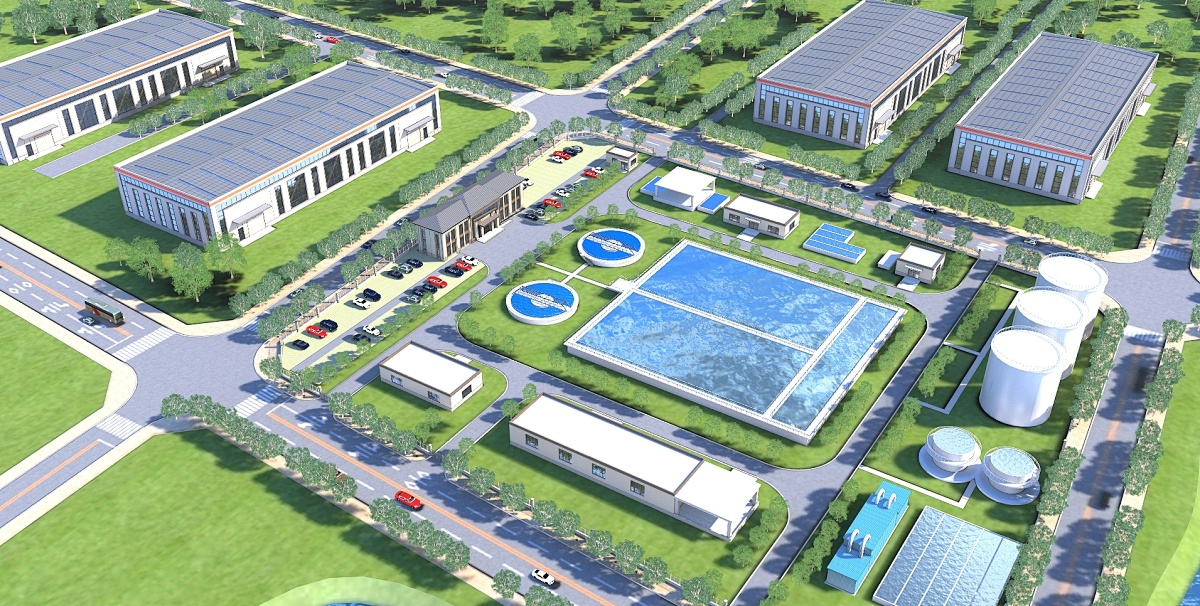
2. The practical application process of flowmeters in the control of industrial wastewater
The application of flowmeters by enterprises is not merely about simple installation, but rather follows a full-process management of "working condition adaptation - standardized installation - data application - operation and maintenance calibration" to ensure the authenticity and reliability of the data. Taking the wastewater treatment system of a certain mechanical processing enterprise as an example, the application process of its flowmeter can be divided into four key steps:
1. Preliminary selection: Match the working conditions. The enterprise first sorted out the characteristics of the wastewater - the oily wastewater from the workshop, after oil separation pretreatment, enters a closed pipeline with a diameter of DN800 and is transported to the subsequent treatment unit. Based on this, a submersible electromagnetic flowmeter with an IP68 protection grade is selected, which is suitable for the humid environment of buried pipelines and can also meet the measurement requirements of oily wastewater.
2. Standardized installation: To ensure measurement accuracy, the electromagnetic flowmeter should be installed at a straight pipe section three times the pipe diameter at the outlet of the pretreatment tank, avoiding the influence of pipe turns and turbulence at the pump body outlet, to prevent measurement deviations caused by unstable flow patterns. After installation is completed, conduct full-pipe commissioning of the pipeline to ensure that the deviation between the data and the actual flow rate is within the allowable range.
3. Data Linkage: Support the processing and monitoring of real-time data from flow meters to be connected to the wastewater treatment control system and environmental protection monitoring platform through the industrial bus: When the influent flow rate suddenly increases, the system automatically adjusts the aeration intensity of the biochemical tank. The terminal emission flow data is uploaded to the local environmental protection department in real time to meet the requirements of online monitoring. Through this model, a certain sewage treatment plant has achieved dynamic optimization of its treatment process, reducing its annual maintenance cost by 40%.
4. Operation and Maintenance calibration: Maintain long-term stability and establish a monthly inspection system: For electromagnetic flowmeters, focus on checking the cleanliness of the electrodes and conduct electrode acid washing and scale removal once every quarter. Regularly clean the sediment in the weir and flume of the open channel flowmeter and calibrate the liquid-flow curve. Each year, a precision calibration is conducted in collaboration with a third-party testing institution to ensure data traceability and compliance.
The core points of flowmeter application: risk avoidance and efficiency improvement
When applying electromagnetic flowmeters in industrial wastewater scenarios, two core issues need to be focused on: First, medium adaptability. For wastewater containing high concentrations of viscous contaminants, regular electrode maintenance should be carried out, or anti-scaling electrode designs should be selected to avoid reading attenuation caused by electrode scaling. Second, environmental protection during installation is required. Flowmeters installed in underground pipelines must have an IP68 protection rating to ensure stable operation in damp or immersed environments. Meanwhile, enterprises can achieve data traceability in the event of network disconnection by choosing intelligent electromagnetic flowmeters with data storage functions, further enhancing the reliability of monitoring.
As a fundamental equipment for monitoring and controlling industrial wastewater, the precise measurement and stable operation of flowmeters are the key for enterprises to fulfill their environmental protection responsibilities and optimize treatment efficiency. From selection and adaptation to operation and maintenance management, the meticulous operation in every link can enable this "traffic sentinel" to play a better role and build a solid data support for the green development of industry.